
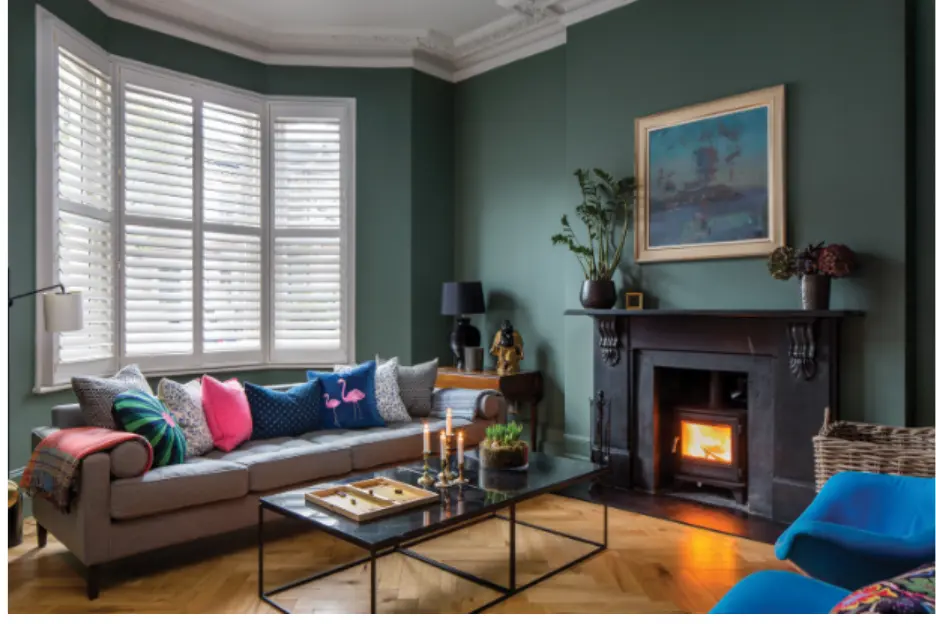
As more people choose to remain in their homes as they age, creating environments that are both comfortable and functional has become increasingly important. One of the most overlooked yet essential aspects of home accessibility is the window treatment. Whether it is adjusting blinds for privacy or letting in natural light, these everyday actions can become challenging for seniors.
Selecting the right accessible window treatments seniors can use easily not only promotes independence but also enhances safety and comfort. For homeowners or caregivers looking to improve accessibility, the right design choices can make all the difference. If you are exploring ways to adapt your living spaces, consider updating your blinds with accessibility-friendly options that combine empathy and practicality.
Why Accessibility Matters in Window Treatments
Ageing-in-place is all about creating a living environment that supports independence and comfort without compromising safety. Window treatments may seem like a small part of home design, but for many seniors, they play a significant role in daily life.
Traditional blinds, curtains, and shades often require bending, stretching, or pulling cords—actions that can be difficult for someone with limited mobility or arthritis. An accessible window treatment eliminates these challenges by simplifying operation and reducing physical strain.
Accessibility also means fostering emotional well-being. When seniors can open their own blinds to enjoy the morning light or close them for privacy, they maintain a sense of autonomy and dignity. Designing with accessibility in mind shows empathy and ensures that every aspect of the home contributes to comfort and security.
Characteristics of Accessibility-Friendly Window Treatments
Accessibility-friendly window treatments combine functionality, safety, and thoughtful design. Here are key qualities that make them suitable for seniors or caregivers:
Ease of operation: Window treatments should be simple to open and close without requiring excessive strength or fine motor skills.
Low physical effort: Mechanisms should allow control from a comfortable position, such as sitting or standing.
Safety-conscious design: Eliminate cords or complex hardware that can cause entanglement or injury.
Easy maintenance: Materials should be easy to clean and durable enough to handle daily use.
These features ensure that accessibility is not just about convenience but about creating a home that empowers seniors to live independently and confidently.
Motorised Window Treatments for Effortless Operation
Among the most effective solutions for accessible design are motorised window treatments. With motorised blinds, shades, or curtains, seniors can adjust light levels and privacy with the push of a button or even through voice command.
The technology behind motorised systems has evolved significantly. Today’s models allow homeowners to control multiple windows simultaneously using a remote control, wall switch, or mobile app. For seniors who may have limited mobility or use assistive devices, this option removes the need for physical exertion altogether.
Benefits of Motorised Window Treatments
Ease of control: Operate window coverings from anywhere in the room.
Enhanced safety: No dangling cords that can create tripping or entanglement hazards.
Convenience: Perfect for hard-to-reach windows or large areas.
Energy efficiency: Many systems can be programmed to open and close automatically, optimising light and temperature.
Motorised systems are particularly beneficial for bedrooms, living rooms, and spaces where seniors spend most of their time. They allow light adjustment without requiring anyone to get up or reach across furniture. For those living independently, this small feature can make a major difference in day-to-day comfort.
Explore innovative motorised options that enhance accessibility and independence for ageing-in-place homes.
Wand Control and Easy Reach Solutions
While motorised blinds offer luxury and automation, wand control options provide simplicity and reliability. Instead of pull cords, wand-controlled blinds feature a single rod that allows users to twist or push to open, close, or tilt the slats. This design is especially helpful for seniors who prefer tactile controls or may not feel comfortable with technology.
Advantages of Wand Control Blinds
Simplified operation: One motion opens or closes the blinds without multiple cords.
Reduced strain: No overhead pulling or bending.
Better grip: The wand offers a stable handle that accommodates varying hand strengths.
Enhanced safety: Completely cordless design that complies with safety standards.
Another important aspect of accessibility is easy reach design. Blinds and shades can be customised to ensure switches or wands are within comfortable reach from a seated or standing position. This prevents stretching, climbing, or awkward movements that could lead to injury.
Many seniors appreciate wand-controlled systems because they maintain a sense of traditional familiarity while still providing modern safety and ease of use. You can find high-quality wand control and easy reach options tailored to your accessibility needs.
Child-Safety Standards and Their Relevance to Seniors
Modern child-safety standards in window treatment design have unintentionally become a major advantage for seniors as well. These standards eliminate long cords and emphasise smooth, cordless operation to prevent accidents.
For seniors, these features mean less risk of tripping or entanglement. Cordless blinds also simplify cleaning and maintenance, since there are fewer moving parts to manage. By following child-safety guidelines, homeowners automatically create a safer environment for all ages.
Choosing window treatments that comply with safety standards ensures that your home is not only accessible but also aligned with the latest safety innovations.
Remote Options for Modern Ageing-in-Place Homes
In an age where technology is part of daily life, remote options have become a cornerstone of accessible home design. Seniors can now control blinds through handheld remotes, smartphone apps, or even voice assistants.
Imagine being able to say, “Close the living room blinds,” and having it done instantly. Voice control integration is especially beneficial for those with arthritis, limited hand mobility, or vision impairments.
Benefits of Remote-Controlled Window Treatments
Hands-free operation: Ideal for people with limited mobility or dexterity.
Convenient scheduling: Set automatic opening and closing times for consistent light and privacy.
Integration with smart homes: Works seamlessly with modern home automation systems.
Energy savings: Automate blinds based on sunlight or temperature to maintain comfort efficiently.
Remote-controlled window treatments make accessibility modern, intuitive, and empowering. They blend convenience with independence, ensuring that seniors can enjoy both safety and sophistication in their homes.
Balancing Functionality with Aesthetic Appeal
Accessibility does not have to compromise style. The best window treatments combine functionality with design, allowing seniors to enjoy comfort without sacrificing aesthetic appeal.
Choose materials that are lightweight, easy to clean, and available in calming colours. Soft fabrics and neutral tones can enhance relaxation and natural light. Additionally, consider treatments that filter sunlight rather than blocking it entirely, as natural light helps maintain mood and circadian rhythms.
The goal is to create a space that feels welcoming and easy to live in. By blending accessible features with timeless style, homeowners can achieve both visual harmony and practical efficiency.
Customisation and Professional Consultation
Every home and individual has unique accessibility needs. That is why customisation is so valuable. Professional consultants can assess each room and recommend window treatments tailored to personal preferences, mobility levels, and reach requirements.
Custom fittings ensure that controls are placed at an appropriate height and that the chosen mechanisms are easy to operate. Professional installation also guarantees secure mounting, which is especially important for seniors’ safety.
If you are considering updating your window coverings, it is always best to seek guidance from experts who understand accessibility and design. To begin personalising your space, contact the team for a consultation that matches your home’s needs.
Conclusion
Creating an ageing-in-place home is about more than accessibility—it is about empathy, safety, and independence. Choosing the right accessible window treatments seniors can use easily transforms everyday living into an experience of comfort and confidence.
From motorised options and wand control systems to easy reach designs and remote options, there are endless ways to make your home both functional and inviting. These thoughtful solutions not only make life easier but also uphold the dignity and autonomy that every senior deserves.
By investing in accessibility-friendly window treatments, you are not just improving your space—you are enhancing quality of life for years to come.
FAQs
- What are the best types of window treatments for seniors? Motorisedblinds, wand control systems, and cordless shades are ideal choices because they are safe, easy to operate, and require minimal physical effort.
- How domotorisedblinds help with accessibility? They allow seniors to open and close blinds with a remote control or smartphone app, eliminating the need for manual pulling or reaching.
- Are wand control and easy reach blinds safer than traditional cords? Yes, they remove the hazards associated with cords and reduce strain by offering easy-to-reach controls suitable for all mobility levels.
- Do accessibility-friendly window treatmentscomply withchild-safety standards? Most modern accessible window treatments follow child-safety regulations, which also enhance senior safety by removing cords and potential hazards.
- Can I control my window blinds remotely without complex technology? Yes, many systems use simple remotes or wall switches. For tech-savvy users, smartphone or voice-control options provide added convenience.