
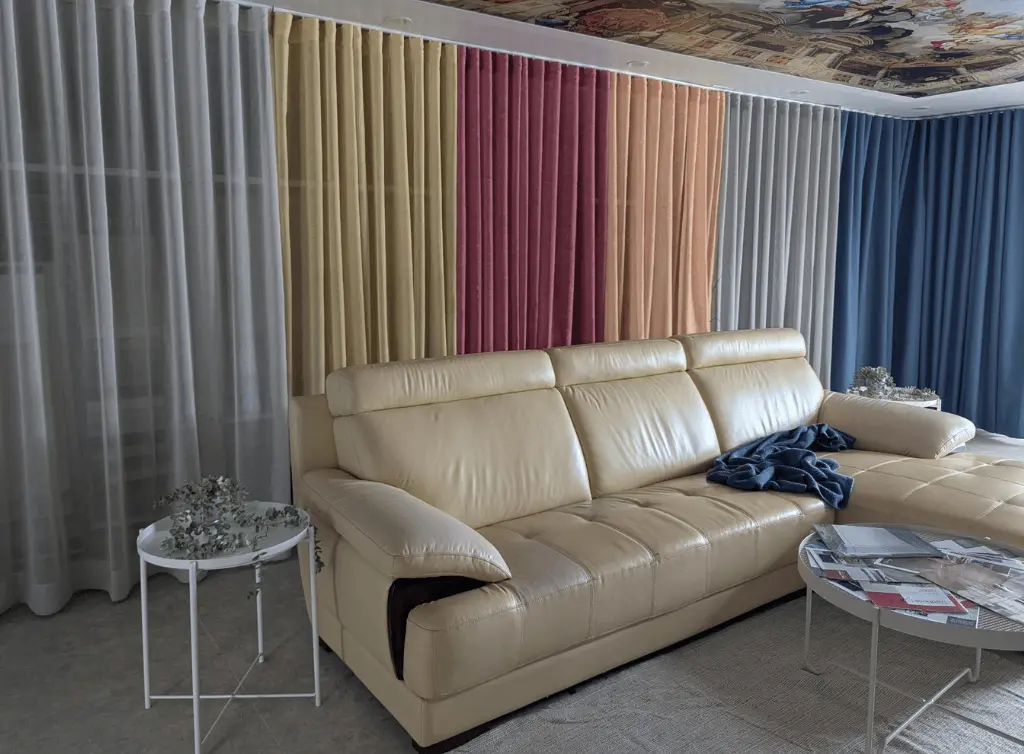
A well-designed room balances style, comfort, and practicality. One of the most impactful ways to achieve this is by blending different window treatments. Many homeowners and designers are now exploring how to combine blinds curtains and shutters room design to create layered looks that elevate interiors while improving comfort and efficiency.
This guide explores how combining blinds, curtains, and shutters enhances both visual appeal and functionality. From layering techniques to benefits such as insulation, noise reduction, and return on investment (ROI), you will find expert insight on how to achieve harmony between design and performance.
Understanding the Purpose of Layered Window Treatments
Layering window treatments involve using more than one covering to control light, temperature, and privacy while enhancing room aesthetics. It is a popular design philosophy because it blends visual softness with structure, allowing for flexibility across seasons and moods.
Layering blinds, curtains, and shutters transform windows into architectural features. Each element has a distinct role: blinds control light with precision, curtains soften edges and add texture, and shutters bring strength and insulation. Together, they create a polished, high-end finish that suits both classic and contemporary spaces.
The Core Elements: Blinds, Curtains, and Shutters
Each of these window treatments serves a specific purpose and contributes unique qualities to a room’s design.
Blinds
Blinds are practical and minimalistic, offering excellent control over light and privacy. They are ideal for modern interiors where sleek lines are preferred. Materials such as timber, faux wood, and aluminium provide varied aesthetics while maintaining durability.
Curtains
Curtains add movement, softness, and warmth to a space. They frame windows beautifully, introduce colour, and help tie room elements together. Heavy drapes enhance insulation and noise control, while sheer fabrics bring in natural light and maintain openness.
Shutters
Shutters offer structure and permanence. Their solid panels contribute to insulation and privacy while adding a timeless appeal. They work well in both coastal and traditional homes, bringing a refined architectural finish to interiors.
When used together, these treatments combine practicality with elegance, giving homeowners the freedom to adjust light, comfort, and mood throughout the day.
How to Combine Blinds, Curtains, and Shutters in Room Design
Combining all three window treatments requires careful planning and balance. The key is to ensure that each layer complements the others rather than competes for attention.
Start with shutters as the base layer. They provide structure and insulation, serving as the foundation for your design. Next, add blinds for flexible light control. Roller or Venetian blinds work well for this layer since they maintain a clean appearance when not in use. Finally, finish with curtains, which soften the look and introduce pattern, colour, or luxury fabric.
Properly layering window treatments adds dimension to a room, creating a sense of depth and richness. Pair natural wood shutters with linen curtains for a coastal vibe or combine neutral roller blinds with velvet drapes for a modern-luxury look.
The secret lies in coordinating textures and tones. Keep contrast subtle but noticeable, ensuring that materials reflect your overall interior theme.
Benefits of Combining Blinds, Curtains, and Shutters
Layered window treatments offer much more than visual appeal. They bring measurable functional advantages that improve comfort and add long-term value to your property.
1. Aesthetic Harmony
Combining treatments enhances design coherence. The structured look of shutters blends seamlessly with the softness of curtains, while blinds provide balance between the two. The result is a layered, tailored appearance that feels intentional and polished.
2. Energy Efficiency and Insulation
Layering helps trap heat in winter and block heat in summer. Each layer acts as a barrier against temperature fluctuations, leading to a more comfortable indoor environment and reduced energy use. This makes insulation a major advantage of layered designs.
3. Noise Reduction
Multiple layers absorb sound waves, minimising outdoor noise and improving indoor acoustics. Thicker fabrics and solid shutters are especially effective in busy urban environments.
4. Light Management
Layered window treatments allow precise control over brightness. You can open shutters for daylight, tilt blinds for filtered light, or close curtains for complete darkness. This adaptability suits various activities, from working to relaxing.
5. Increased ROI
Investing in quality window treatments enhances resale appeal. Prospective buyers notice thoughtful design details and energy-efficient installations. A well-executed combination of blinds, curtains, and shutters demonstrates attention to comfort and craftsmanship, resulting in higher perceived property value.
Styling Ideas for Every Room
Each room in your home has different functional needs and design opportunities. Here’s how to apply layering techniques effectively.
Living Room
Use plantation shutters for structure, paired with soft linen curtains for texture. This combination allows full light during the day and cosy ambience at night.
Bedroom
Prioritise privacy and insulation. Combine blockout roller blinds with thick curtains and shutters to block light and outside noise, creating a peaceful retreat.
Kitchen and Dining Area
Moisture-resistant blinds paired with café-style shutters offer easy maintenance and light control. Add sheer curtains for a touch of warmth without overpowering the functional aesthetic.
Home Office
Opt for roller blinds behind elegant drapes. The blinds minimise glare on screens while curtains improve sound control and add sophistication to the workspace.
Using these combinations lets you adapt light, texture, and mood across every space in your home.
Practical Tips for DIY Renovators and Designers
- Measure Precisely: Accurate measurements ensure all layers align neatly and operate smoothly.
- Install in the Correct Order: Start with shutters, then blinds, and finally curtains for a cohesive structure.
- Select the Right Hardware: Use brackets and rods strong enough to support multiple layers without sagging.
- Coordinate Materials: Choose complementary colours and finishes that unify the room rather than compete.
- Maintain Regularly: Dust blinds weekly, vacuum curtains gently, and wipe shutters with a damp cloth to extend their lifespan.
Proper planning and maintenance make layered window treatments both practical and long-lasting.
Mistakes to Avoid When Layering Window Treatments
While combining treatments offers many advantages, some common missteps can detract from the final look.
Overcrowding the Window: Too many heavy materials can make windows appear bulky.
Ignoring Natural Light: Poor placement can block sunlight or create uneven lighting.
Mismatched Styles: Combining drastically different colours or themes can disrupt the room’s harmony.
Forgetting Functionality: Always balance aesthetics with practical use, such as accessibility and ventilation.
Avoiding these errors ensures that your layered design remains both beautiful and effective.
Long-Term ROI and Functional Benefits
Layered window treatments provide value beyond immediate design impact. Homeowners benefit from reduced energy costs through improved insulation and protection from UV rays that can fade furniture. Additionally, quality installations require minimal upkeep, maintaining their aesthetic and functional advantages for years.
This makes them a worthwhile investment for both personal comfort and property value. Over time, the combined benefits of energy efficiency, durability, and enhanced interior design contribute to measurable ROI.
Conclusion
Thoughtful window design transforms the look and feel of a room. When you combine blinds curtains shutters room design, you blend elegance with functionality, achieving a layered aesthetic that adapts to your lifestyle. From insulation and noise reduction to ROI and styling versatility, this approach offers both beauty and purpose.
If you are ready to explore personalised combinations or seek expert advice on selecting the right treatments, visit the contact us page for guidance and consultation.
FAQs
- Is it necessary to use all three treatments together?
No, but combining blinds, curtains, and shutters delivers the best mix of beauty, insulation, and light control. You can adjust the layers to suit your space and budget.
- What are the best combinations for modern interiors?
Neutral roller blinds with sheer curtains and sleek white shutters create a clean, contemporary feel while maintaining versatility.
- Do layered treatments make rooms darker?
Not necessarily. Proper layering allows flexibility—keep lighter fabrics and adjustable blinds for balanced light control.
- How do blinds, curtains, and shutters improve insulation?
Each layer adds a barrier against temperature changes, trapping warmth in winter and keeping interiors cooler in summer.
- Are layered window treatments worth the investment?
Yes, they enhance design, energy efficiency, and home value while providing lasting comfort and aesthetic appeal.