
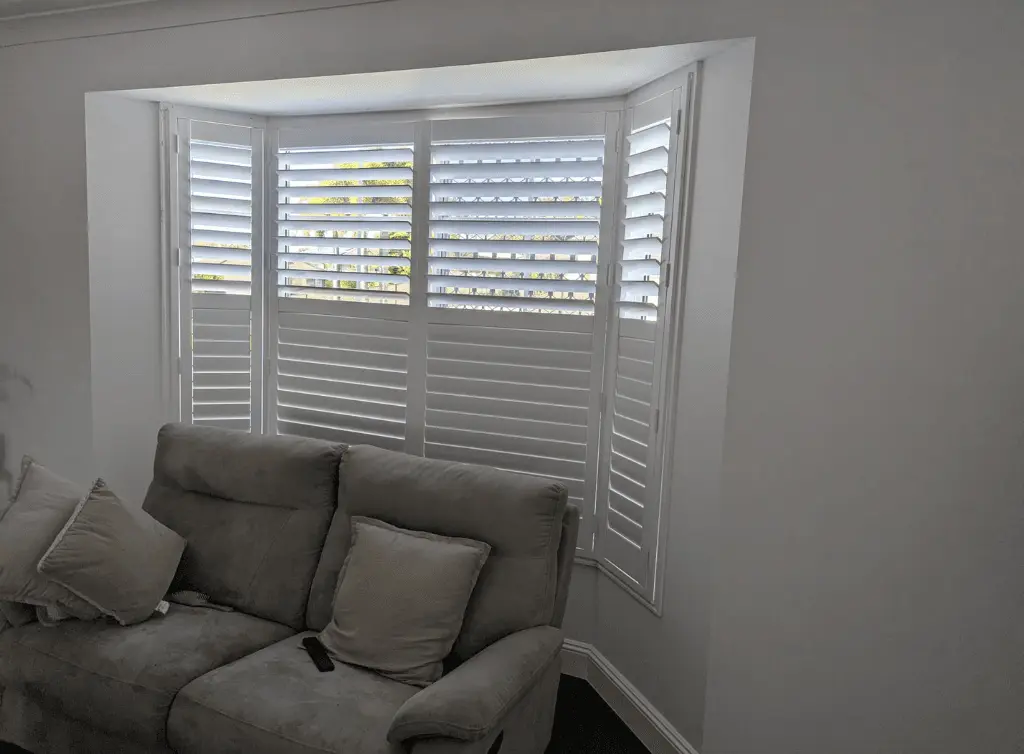
In the world of interior design, few elements combine cultural heritage and functional beauty as seamlessly as the Shoji screen. Originating in Japan centuries ago, these delicate-yet-durable panels have become a global design icon. In Australia, where homes increasingly embrace open layouts and natural light, Shoji screens are enjoying a revival — not only as privacy solutions but also as pieces of art that elevate the atmosphere of any room.
Custom Shoji screens offer homeowners the chance to merge traditional Japanese craftsmanship with the unique character of Australian architecture. Whether used as sliding doors, room dividers, or decorative wall features, they provide a balance of light control, privacy, and aesthetic warmth that few other design elements can match. In this article, we’ll explore their rich history, functional benefits, and how you can incorporate them into your home for a touch of timeless elegance.
A Brief History of Shoji Screens
Shoji screens trace their origins back to Japan’s Heian period (794–1185), when sliding panels were first introduced to separate spaces without compromising light flow. Crafted from wooden lattices and translucent washi paper, Shoji screens reflected the Japanese philosophy of shibui — a refined simplicity that values subtlety and restraint.
The Evolution into Modern Interiors
Over the centuries, Shoji designs evolved to incorporate different patterns, frame styles, and materials, yet they maintained their core purpose: to create flexible, light-filled spaces. Today, custom Shoji screens are adapted for modern homes around the world, including those in Australia, where open-plan living often benefits from subtle zoning and soft light diffusion.
The Cultural Significance Behind Shoji Design
Shoji screens are more than just functional decor — they embody Japan’s respect for nature, craftsmanship, and balance. The use of natural timber frames and translucent surfaces reflects an intentional connection between the indoors and outdoors, allowing filtered sunlight to mimic the gentle transitions of daylight found in nature.
Translating Japanese Principles into Australian Homes
In Australian design, where sunlight can be abundant and intense, Shoji screens can soften glare while maintaining the airy feel that’s central to many modern builds. This cultural crossover makes them particularly appealing to homeowners who value both form and function.
Functional Benefits of Custom Shoji Screens in Australia
While their beauty is undeniable, Shoji screens also bring practical benefits that make them a worthwhile investment for design-conscious homeowners.
Privacy Without Darkness
One of the most sought-after qualities of Shoji screens is their ability to create private spaces without sacrificing natural light. Unlike heavy curtains or solid partitions, their translucent panels obscure views while allowing daylight to filter through.
Light Diffusion and Atmosphere Control
The diffused light created by Shoji screens is ideal for creating a calming, ambient atmosphere. It softens harsh sunlight, reduces glare, and casts a warm glow that enhances the mood of a room.
Perfect for Open-Plan Living
In Australian homes, where open layouts are common, Shoji screens can section off areas for dining, study, or relaxation without closing them off entirely. This flexibility supports the flow of both movement and light.
Timber Frames: A Connection to Nature
Traditional Shoji screens are framed in timber — often cedar, pine, or oak — which adds warmth and texture to interiors. For Australian homes, locally sourced timbers can be used to create a similar effect, blending Japanese elegance with native character.
Sustainability and Longevity
When crafted from quality timber, Shoji screens can last for decades, offering both environmental and economic benefits. Timber’s durability also ensures that screens retain their structural integrity even in high-use areas.
Creative Applications for Shoji Screens in Australian Homes
Shoji screens are highly versatile and can be adapted to suit a variety of design needs and spaces.
Room Dividers and Sliding Doors
In compact homes or apartments, Shoji screens can create multifunctional spaces by dividing rooms when needed and opening them up when not. Sliding doors with Shoji panels can also replace traditional doors, adding style while saving space.
Decorative Wall Panels
Beyond their functional use, Shoji screens can serve as striking decorative features. Installed as fixed wall panels, they bring texture and pattern to a room without overwhelming it.
Installation Tips for Custom Shoji Screens
While Shoji screens are beautiful, their elegance comes from precise craftsmanship and installation.
Working with Skilled Designers and Installers
Custom screens require accurate measurements and careful assembly. Partnering with specialists, such as those who offer tailored security screen solutions, ensures a flawless fit that complements your home’s architecture.
Blending Tradition with Modern Living
Incorporating Shoji screens into Australian homes is a way to honour tradition while enhancing contemporary living spaces. They bridge cultures, bringing the serenity of Japanese interiors into the bright, open, and often minimalistic design styles found across Australia.
Choosing Custom Over Ready-Made
Custom designs allow you to choose frame thickness, lattice pattern, timber type, and panel size — ensuring your Shoji screens feel like an intentional part of your home’s design rather than an afterthought.
Conclusion
Custom Shoji screens offer far more than aesthetic appeal; they are functional, culturally significant, and deeply adaptable to modern Australian living. Whether you’re drawn to their history, their ability to filter light beautifully, or their role in creating private yet open spaces, they represent a harmonious blend of art and practicality. If you’re ready to explore how Shoji screens can enhance your home, our contact team can help you start the process, from design consultation to final installation.
Frequently Asked Questions (FAQ)
Q1: Are Shoji screens suitable for Australian climate conditions? Yes. With the right timber selection and finish, they can withstand Australia’s temperature changes and humidity.
Q2: Can Shoji screens be made with materials other than timber and paper? Yes. Modern versions may use acrylic or laminated panels for durability while retaining the same look.
Q3: How much privacy do Shoji screens provide? They provide visual privacy but do not block sound, making them ideal for spaces where light and separation are priorities.
Q4: Can Shoji screens be repaired if damaged? Yes. Panels can be replaced or re-latticed by skilled craftsmen without replacing the entire screen.
Q5: Are custom Shoji screens expensive? They can be more costly than mass-produced options, but their longevity and design impact make them a valuable investment.