
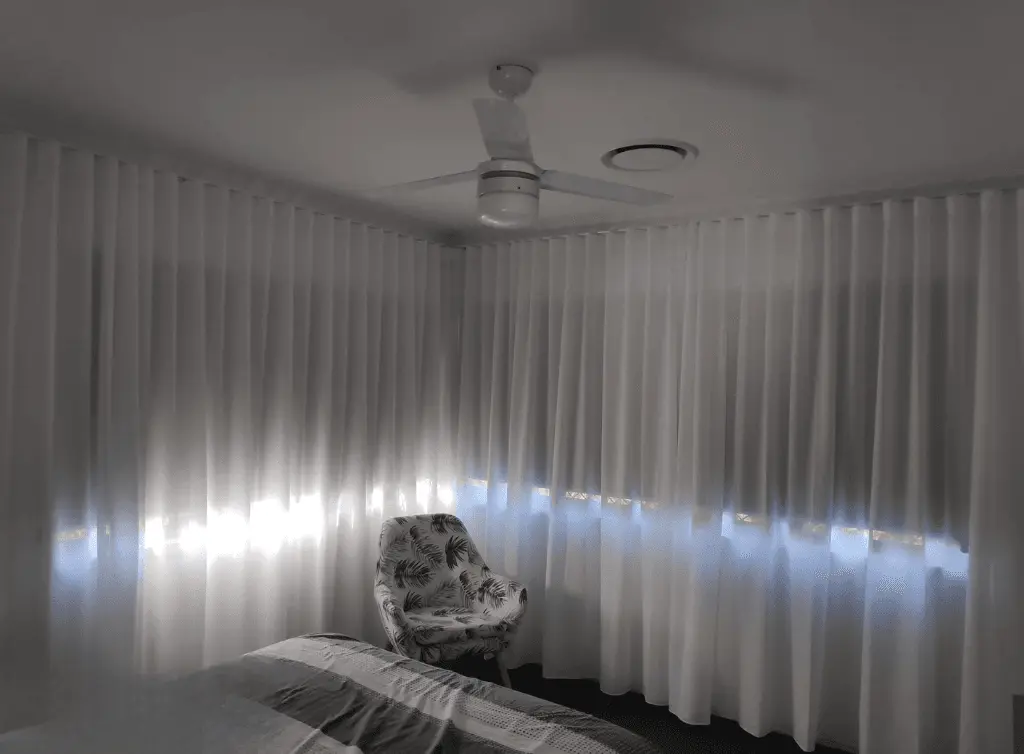
Curtains are more than just decorative elements—they are vital tools in shaping the look, feel, and functionality of a room. For design-conscious decorators, understanding the nuances of curtain selection is key to achieving both aesthetic appeal and practical benefits.
Layering sheer and blockout curtains is one of the most effective ways to control privacy, regulate light, and enhance interior style. This article explores the differences between sheer vs blockout curtains, the benefits of layering, styling tips, and how to care for your curtains so they last for years.
Understanding Sheer vs Blockout Curtains
Curtains serve multiple purposes in interior design. While some may focus solely on aesthetics, the functional role of curtains in light management, insulation, and privacy is equally important. To maximise these benefits, it’s essential to understand the characteristics of sheer and blockout curtains.
Sheer Curtains: Sheer curtains are crafted from lightweight, semi-transparent fabrics like voile, chiffon, or organza. Their delicate nature allows sunlight to gently filter through, creating a soft, ambient glow in your room. Sheers are perfect for spaces where natural light is desired but direct glare is too harsh, such as living rooms, kitchens, or sunrooms. Apart from light filtration, sheer curtains provide a level of daytime privacy, making it difficult for people outside to see inside.
Blockout Curtains: Blockout curtains, on the other hand, are made from dense, heavy fabrics designed to prevent light from entering a room. These curtains offer complete privacy and are ideal for bedrooms, home theatres, or any space where darkness is preferred. Many blockout fabrics are also lined with thermal or insulating layers, helping to regulate room temperature and reduce energy consumption.
The fundamental difference lies in function: Sheers are designed for light diffusion and gentle privacy, while blockouts provide maximum darkness and security. Layering the two types allows homeowners to enjoy the benefits of both, creating a flexible solution tailored to daily needs.
Layering Benefits
Layering sheer and blockout curtains offers a range of advantages, combining practicality with aesthetic appeal.
- Enhanced Privacy Without Sacrificing Light: One of the most significant advantages of layering is achieving privacy without losing natural light. During the day, sheer curtains allow sunlight to brighten the room while preventing outsiders from seeing in. When night falls or privacy is crucial, blockout curtains can be drawn, ensuring full coverage without compromising style.
- Improved Energy Efficiency: Layered curtains act as an additional barrier against heat and cold. In warm climates, such as Queensland, they help keep interiors cool by minimising heat entry. In cooler months, blockout curtains reduce heat loss, potentially lowering energy bills. This energy-saving benefit makes layering both stylish and practical.
- Flexibility to Adjust Ambience: Layering provides homeowners with control over a room’s mood and lighting. During the morning, sheers can soften sunlight for a calm and inviting atmosphere. In the evening, blockout curtains can be closed for a cosy, restful environment. This adaptability is particularly useful in rooms that serve multiple purposes, such as living rooms that transition from workspaces to entertainment areas.
- Design Versatility: Beyond functionality, layering adds visual depth and texture to a room. Designers can experiment with colours, patterns, and textures to create a sophisticated, layered look. For instance, pairing neutral sheers with bold blockout curtains can make a statement, while subtle patterns on sheers can complement solid blockouts for a harmonious aesthetic.
Light Filtering & Privacy Control
Proper light management is a major reason decorators choose to layer curtains. Sheer curtains provide filtered light, reducing glare without darkening the room entirely. They allow natural daylight to illuminate interiors, creating a bright and airy feel, which is especially important in living spaces, kitchens, or study areas.
Blockout curtains enhance this functionality by offering full darkness and privacy when needed. This combination allows you to adjust lighting levels according to the time of day, desired mood, or activity.
Tips for Optimal Light Control:
- Double Rod or Track System: Installing a double rod or track system enables independent movement of sheers and blockouts, allowing you to adjust either layer separately.
- Proper Overlap: Ensure blockouts extend slightly beyond the window frame to eliminate light gaps at the edges.
- Tiebacks: Use tiebacks for sheers to hold them neatly during the day while keeping blockouts ready for evening use.
- Window Treatment Placement: Consider ceiling-mounted rods for floor-to-ceiling coverage, which maximises light control and adds elegance.
By strategically layering curtains, homeowners can achieve the perfect balance between natural light, privacy, and interior style.
Energy Savings & Climate Considerations
Layered curtains are not just about aesthetics—they provide measurable energy benefits. Curtains, especially when combined, create an insulating layer that minimises heat transfer between windows and interiors. This can result in reduced reliance on air conditioning during hot days and heating in cooler months.
Best Fabric Choices for Energy Efficiency:
- Cotton Blends: Lightweight, breathable, and versatile, ideal for sheers that diffuse light without blocking airflow.
- Polyester and Microfiber: Durable and resistant to wrinkling, suitable for blockouts with thermal properties.
- Thermal-Lined Fabrics: Extra insulation helps maintain room temperature, providing energy savings throughout the year.
In humid climates like Queensland, managing heat and light exposure is crucial. Layered curtains can reduce direct sunlight, helping interiors stay cooler while maintaining comfort and privacy. Additionally, thermal-lined blockouts can help moderate indoor humidity levels by preventing heat from intensifying room conditions.
Style Tips for Layering
Layering curtains is as much about style as it is about functionality. Here are some practical styling tips:
- Coordinate Colours and Patterns:
- Monochrome Layering: Using shades of the same colour creates a calm and sophisticated look.
- Contrast: Pairing neutral sheers with bold or patterned blockouts adds depth and visual interest.
- Patterns: Subtle geometric or floral patterns on sheers can enhance a solid blockout for a cohesive design.
- Balance Fabric Weights:
- Sheers should remain lightweight to allow easy movement and natural light filtration.
- Blockouts should be heavier for optimal darkness and insulation. Proper balance ensures smooth layering without bulkiness.
- Curtain Lengths and Widths:
- Floor-length curtains create elegance, while slightly longer blockouts can enhance drama.
- Ensure widths cover windows fully and allow for gentle gathers, which create a polished, luxurious look.
- Layering in Different Spaces:
- Living Rooms: Light sheers with soft-patterned blockouts create versatility for day and night.
- Bedrooms: Dark blockouts with neutral sheers provide optimal privacy, comfort, and restful sleep.
- Home Offices or Study Areas: Sheers filter daylight to reduce glare on screens, while blockouts control ambient light during video calls or media viewing.
Fabric Care & Maintenance
Maintaining curtains properly prolongs their lifespan and keeps them looking fresh.
Sheer Fabrics:
- Wash gently in cold water or on a delicate cycle.
- Avoid harsh chemicals or bleach to preserve fabric integrity.
- Air-dry sheers to prevent shrinkage or damage.
Blockout Fabrics:
- Dust regularly using a vacuum or lint brush to remove debris.
- Dry cleaning occasionally maintains colour vibrancy and fabric texture.
- Rotate panels to prevent uneven fading caused by sunlight exposure.
Additional Tips:
- Handle curtain hardware gently to prevent wear.
- Avoid dragging curtains across rough surfaces.
- Ensure tiebacks or hooks do not stretch or pull fabrics over time.
Proper care ensures curtains remain functional, stylish, and effective in light control and insulation.
Installation Tips
Correct installation is crucial for maximising the benefits of layered curtains.
- Double Rods or Tracks: Allow sheers and blockouts to move independently, providing flexibility in light and privacy control.
- Proper Overlap: Ensure blockouts extend beyond the window frame to prevent light leaks.
- Accurate Measurements: Measure both height and width carefully, considering floor-to-ceiling or wall-to-wall coverage for a polished appearance.
- Hardware Choices: Hooks, rings, and tiebacks enhance functionality and complement your interior style.
- Ceiling-Mounted Rods: Ideal for rooms with high ceilings or full-length windows, creating an impression of height and grandeur.
Common Mistakes to Avoid
Even experienced decorators can make errors when layering curtains:
- Mismatched Fabrics or Colours: Avoid combining textures or patterns that clash, as it disrupts harmony.
- Heavy Sheers: Sheers that are too dense can block natural light rather than diffuse it, defeating their purpose.
- Incorrect Measurements: Ill-fitting curtains compromise both appearance and functionality.
- Neglecting Maintenance: Faded or dusty curtains quickly lose their aesthetic and functional appeal.
- Overcrowding Rods: Too many layers or excessive width can make curtains hard to operate.
Conclusion
Layering sheer and blockout curtains is a versatile solution that enhances privacy, light control, energy efficiency, and interior style. By understanding fabric differences, selecting appropriate combinations, and following care and installation tips, decorators can achieve both functional and aesthetic success.
Experimenting with colours, textures, and layering arrangements allows you to create spaces that are stylish, comfortable, and perfectly tailored to your lifestyle. Layering isn’t just practical, it’s an opportunity to showcase design creativity while enjoying the full range of benefits that modern curtains offer.
FAQs
- Can I layer sheer and blockout curtains on the same rod? It’s possible, but a double rod or track system is recommended for smooth operation and proper layering.
- What’s the best fabric combination for energy efficiency? Pair lightweight sheers with thermal-lined or polyester blockouts to maximise insulation.
- How often should I clean sheer and blockout curtains? Sheers can be gently washed every few months, while blockouts should be vacuumed monthly and dry cleaned occasionally.
- Do layered curtains work for small windows? Yes, proportionate fabrics and lightweight sheers prevent overwhelming the space while still providing privacy and light control.
- Can layering curtains reduce noise in a room? Yes, blockout curtains, especially when layered, can absorb sound and reduce external noise, creating a quieter indoor environment.